Automatic gate installation has become an increasingly popular choice for homeowners and property managers looking to improve security, privacy, and day-to-day convenience. When planned and installed correctly, an automatic gate system can streamline access, protect vehicles and pedestrians, and add long-term value to a property. However, automatic gate installation is not as simple as selecting a gate style and powering on a motor. It involves a combination of mechanical, electrical, and safety components that must work together reliably.
Many problems homeowners experience later can be traced back to decisions made before or during automatic gate installation. These mistakes often lead to higher repair costs, frequent breakdowns, safety concerns, and unnecessary frustration that could have been avoided with better planning. Understanding where things commonly go wrong helps property owners make more informed choices and communicate more effectively with professionals.
This guide walks through the most frequent mistakes people make with automatic gate installation and explains how to avoid them. Whether you are planning a new system or replacing an older gate, knowing what to watch for can save time, money, and stress in the long run.
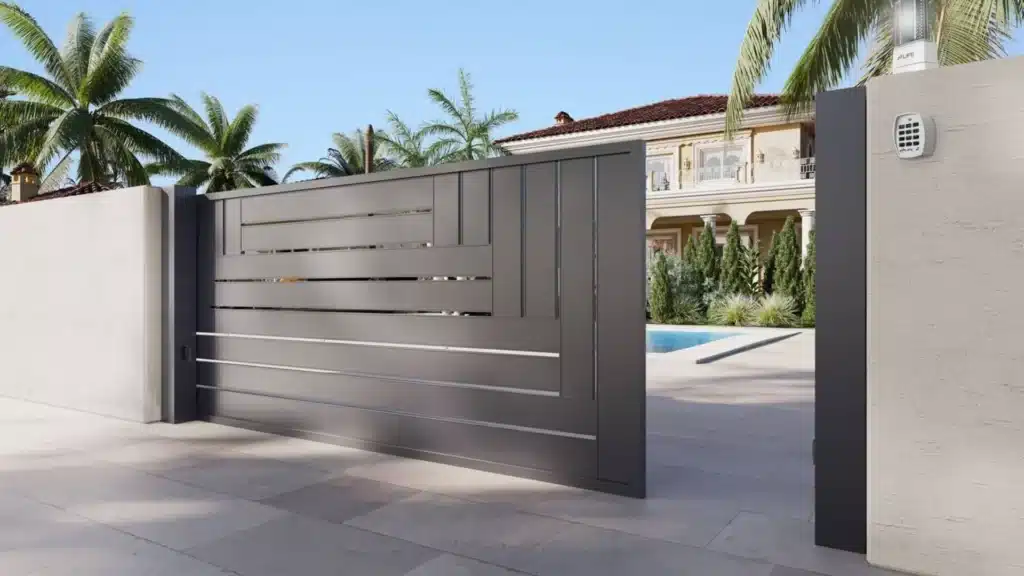
Underestimating Proper Planning During Automatic Gate Installation
One of the most common issues with automatic gate installation starts long before any equipment arrives on-site. Many property owners focus on the appearance of the gate and forget that the system must be designed around how the property is used every day.
A gate that looks great but does not match traffic flow or driveway layout can quickly become a nuisance. For example, a swing gate may not have enough clearance to open fully without blocking a sidewalk or driveway. A sliding gate may require more space along the fence line than expected. Without proper planning, these issues often surface after installation, when changes are more expensive and disruptive.
Another planning mistake involves power supply. Automatic gates require a reliable power source, whether it is hardwired electricity, solar power, or a combination of both. Failing to plan for power access can result in exposed wiring, unreliable performance, or additional trenching costs later.
Proper planning also includes thinking about who will use the gate and how often. A residential driveway with a few daily openings has very different needs than a shared driveway or commercial entrance with constant traffic. Automatic gate installation should account for usage frequency, vehicle types, and access methods from the start.
Taking time to plan layout, power, access points, and daily use patterns helps ensure the system fits the property rather than forcing the property to adapt to the gate.
Choosing the Wrong Gate Type for Automatic Gate Installation
Selecting the wrong gate style is a mistake that can affect both performance and safety. Automatic gate installation must match the physical conditions of the property, not just personal preference.
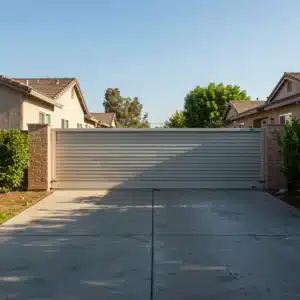
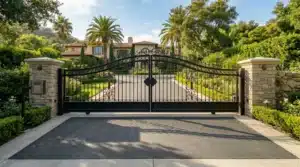
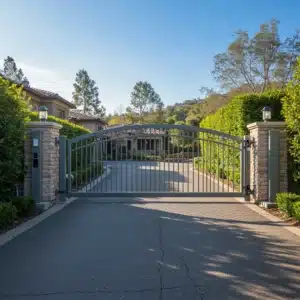
Swing gates are popular for their classic look, but they require sufficient space to open safely. On sloped driveways, swing gates can drag or bind unless specifically designed to handle elevation changes. In tight areas, they may block traffic or create blind spots for drivers and pedestrians.
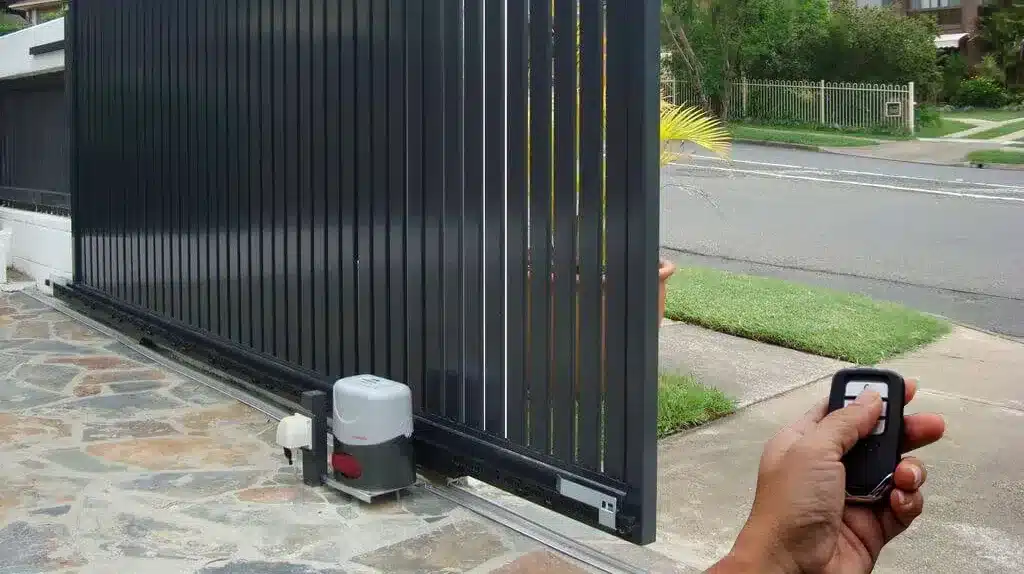
Sliding gates are often a better option for limited space, but they need a clear, level run along the fence line. If the ground is uneven or space is restricted, a sliding gate may struggle to operate smoothly. Cantilever gates can solve some of these problems, but they require proper structural support.
Another consideration is wind exposure. Solid gate panels may look appealing, but in windy areas they place additional strain on motors and hardware. Over time, this can lead to premature wear or failure. Automatic gate installation should consider environmental factors such as wind, rain, and debris.
Choosing the right gate type involves balancing aesthetics, space constraints, terrain, and environmental conditions. A professional assessment can help determine which design will perform reliably over time.
Ignoring Weight and Load Requirements
Gate weight is one of the most overlooked factors in automatic gate installation. Homeowners often select heavy materials such as solid steel or decorative iron without realizing how much strain this puts on the operating system.
Every gate operator is rated for specific weight and length limits. Installing a motor that is undersized for the gate can cause slow movement, excessive noise, and frequent breakdowns. In some cases, the gate may fail entirely after a short period of use.
Even if the operator technically meets the minimum requirements, pushing it to its limit reduces its lifespan. A properly designed automatic gate installation allows for a safety margin, ensuring the motor and hardware are not constantly under stress.
Weight also affects hinges, rollers, and tracks. Poorly matched components can lead to sagging, misalignment, and uneven movement. These issues often show up months after installation, when adjustments become more complicated.
Accurately calculating gate weight and selecting components designed to handle that load is essential for long-term reliability.
Skipping Safety Features in Automatic Gate Installation
Safety is not optional when it comes to automatic gate installation. Gates are powerful machines, and without proper safety devices, they can pose serious risks to people, pets, and vehicles.
A common mistake is assuming that basic sensors are enough or that safety features can be added later. In reality, safety systems must be integrated into the design from the beginning. Photo eyes, safety edges, and emergency release mechanisms are all critical components.
Failing to include adequate safety features can lead to injuries and liability issues. It can also result in systems that do not meet local safety standards or manufacturer guidelines. Automatic gate installation should always follow current safety best practices to protect everyone who uses the gate.
Another overlooked aspect is visibility. Gates should be clearly visible to approaching drivers, especially at night. Proper lighting and signage help prevent accidents and improve overall usability.
Investing in safety features during installation is far less costly than dealing with accidents or system modifications later.
Overlooking Access Control Needs
Automatic gate installation is about more than opening and closing a gate. Access control determines who can enter, how they gain access, and how secure the system really is.
Many homeowners choose a single access method without thinking about future needs. A keypad may seem sufficient until multiple users need unique codes. A remote control may work well until guests, service providers, or delivery drivers require temporary access.
In areas like Los Angeles, where properties may have frequent visitors or service traffic, flexible access control is especially important. Planning for multiple access options during automatic gate installation allows the system to grow with your needs.
Commercial gate installation projects in Canoga Park often require even more advanced access control, such as key cards, intercoms, or integrated security systems. Failing to plan for these features can limit functionality and require costly upgrades later.
A well-designed system balances convenience and security, ensuring authorized users have easy access while keeping unauthorized entry out.
Neglecting Ground Conditions and Drainage
Ground conditions play a major role in how well an automatic gate installation performs over time. Unfortunately, they are often ignored until problems arise.
Uneven ground, poor soil compaction, and inadequate drainage can all affect gate alignment and movement. Sliding gates may bind or derail, while swing gates may shift or sag. Water pooling near tracks or foundations can accelerate corrosion and damage electrical components.
In Oxnard, where coastal conditions can influence soil moisture and corrosion, proper drainage and material selection are especially important. Automatic gate installation should include a thorough assessment of ground conditions to ensure stable foundations and smooth operation.
Concrete footings, tracks, and posts must be installed correctly to prevent movement over time. Cutting corners during this phase often leads to recurring issues that are difficult to fix without major work.
Addressing ground conditions upfront helps ensure the gate remains aligned and functional for years to come.
Failing to Plan for Maintenance and Repairs
Another common mistake is assuming that automatic gate installation is a one-time project with no ongoing requirements. In reality, all gate systems need regular maintenance to operate safely and efficiently.
Without a maintenance plan, small issues such as loose hardware, worn rollers, or sensor misalignment can go unnoticed. Over time, these minor problems turn into major repairs.
Automatic and electric gate repair services are often called in response to breakdowns that could have been prevented with routine inspections. Regular servicing helps extend the life of the system and reduces unexpected downtime.
Planning for maintenance also includes choosing components that are readily available and supported. Obscure or outdated equipment can make repairs more expensive and time-consuming.
A realistic approach to automatic gate installation includes understanding maintenance needs and budgeting for periodic service.
Choosing Price Over Quality
Cost is always a factor, but focusing solely on the lowest price is one of the biggest mistakes homeowners make with automatic gate installation. Cheap materials and rushed workmanship often lead to higher expenses over time.
Low-quality operators may fail prematurely. Poorly constructed gates may warp, rust, or fall out of alignment. Inadequate installation practices can compromise safety and reliability.
In Los Angeles, where gates may be used frequently and exposed to varying weather conditions, quality matters. Investing in durable materials and professional installation reduces the likelihood of frequent automatic gate repair calls.
Commercial gate installation projects are especially vulnerable to this mistake. High-traffic environments demand robust systems designed to handle constant use. Cutting corners in these settings almost always results in downtime and lost productivity.
Choosing quality does not mean overspending. It means selecting components and services that offer long-term value rather than short-term savings.
Working With Experienced Professionals
Avoiding these common mistakes starts with working with professionals who understand the full scope of automatic gate installation. Experienced technicians evaluate the property, recommend appropriate solutions, and ensure all components work together safely.
Professionals also help homeowners navigate decisions about gate type, access control, and safety features. They can identify potential issues early and suggest alternatives that fit both the property and budget.
For properties that require automatic gate repair in Los Angeles or commercial gate installation in Canoga Park, working with a knowledgeable provider ensures consistency and reliability across different services. Experience matters when dealing with complex systems that combine mechanical and electrical elements.
A professional approach reduces guesswork and helps ensure the installation meets both current needs and future demands.
Understanding Long-Term Reliability and System Lifespan
Automatic gate installation should always be approached as a long-term investment rather than a short-term upgrade. A well-installed system is expected to perform reliably for many years, but that outcome depends heavily on the decisions made during installation.
System lifespan is influenced by how well components are matched to usage levels. Gates that open dozens of times per day experience far more stress than those used only a few times. In Los Angeles, where many properties have shared driveways or frequent visitors, this distinction matters. Choosing residential-grade equipment for a high-use environment often leads to premature wear.
Environmental exposure also affects longevity. Dust, heat, moisture, and coastal air all play a role in how quickly parts degrade. Automatic gate installation should account for these factors through material selection, protective housing, and proper sealing of electrical components.
When systems are designed with realistic expectations and appropriate safeguards, they tend to require fewer repairs and provide a more consistent experience over time.
Misjudging the Importance of Professional Assessment
One mistake that quietly causes long-term issues is skipping a professional site assessment. Some property owners attempt to base decisions solely on online research or visual inspections, missing critical details that affect performance.
A professional assessment evaluates slope, soil conditions, clearance, power availability, and access patterns. These factors are not always obvious but have a significant impact on automatic gate installation outcomes.
For example, minor driveway slopes can affect how swing gates open and close. Underground obstructions may complicate trenching for power or access control wiring. Without identifying these issues early, installation timelines and costs can quickly increase.
In Canoga Park, where property layouts vary widely between residential and commercial sites, professional assessments are especially valuable. Commercial gate installation in Canoga Park projects benefit from early planning that accounts for traffic flow, delivery schedules, and safety compliance.
Professional input early in the process reduces surprises and ensures the final system aligns with both the property and the owner’s expectations.
Delaying Repairs Instead of Addressing Early Warning Signs
After automatic gate installation is complete, some homeowners ignore early warning signs that something is not working correctly. Slow movement, unusual noises, or inconsistent sensor behavior are often dismissed as minor issues.
In reality, these symptoms usually indicate misalignment, wear, or electrical problems that will worsen if left unaddressed. Early intervention is far less costly than waiting for a complete failure.
Automatic gate repair services are frequently called after systems stop working entirely, even though the problem started months earlier. Addressing issues early helps prevent damage to motors, control boards, and structural components.
In Oxnard, where environmental conditions can accelerate corrosion, prompt repairs are particularly important. Automatic gate repair in Oxnard services often focus on issues that could have been avoided with earlier attention.
A proactive approach to repairs extends system life and maintains safety for everyone using the gate.
Balancing Convenience With Security
Another common mistake during automatic gate installation is prioritizing convenience without fully considering security implications. While ease of access is important, it should not come at the expense of proper control and monitoring.
For instance, leaving gates open for extended periods due to slow operation or unreliable access methods undermines the purpose of installing a gate in the first place. Similarly, sharing access codes widely or failing to update credentials reduces security effectiveness.
Modern systems allow for a balance between convenience and protection. Features such as timed access, temporary credentials, and integrated intercoms help maintain control without creating inconvenience.
In Los Angeles, where properties may face varying security concerns, this balance is especially important. Automatic gate installation should support daily routines while reinforcing property boundaries.
Taking time to think through real-world use scenarios helps ensure the system supports both safety and convenience.
Recognizing When Upgrades Make More Sense Than Repairs
Over time, some gate systems reach a point where repeated repairs are no longer cost-effective. Continuing to fix outdated equipment can become more expensive than upgrading to a newer system.
Homeowners often struggle with this decision, especially if the original automatic gate installation was a significant investment. However, newer technology often offers improved safety features, better efficiency, and lower maintenance requirements.
Automatic gate repair Los Angeles professionals frequently advise upgrades when parts become difficult to source or when safety standards have changed. Making the switch sooner rather than later can reduce downtime and improve reliability.
Commercial properties in Canoga Park may face this decision sooner due to higher usage levels. Commercial gate installation in Canoga Park upgrades often focus on durability, access control improvements, and compliance with current standards.
Understanding when to repair and when to upgrade helps property owners make financially sound decisions.
How Proper Installation Supports Property Value
Beyond functionality and security, automatic gate installation can influence property value. A well-designed and properly functioning gate enhances curb appeal and signals thoughtful property management.
However, poorly installed systems can have the opposite effect. Visible wiring, uneven movement, or frequent malfunctions may raise concerns for potential buyers or tenants.
In competitive real estate markets like Los Angeles, these details matter. A gate that operates smoothly and looks intentional adds to the overall impression of quality.
Regular maintenance, timely repairs, and thoughtful upgrades help preserve both function and appearance over time.
Final Thoughts on Avoiding Common Installation Mistakes
Automatic gate installation is a complex process that blends design, engineering, and daily usability. Many of the most common mistakes stem from rushing decisions, overlooking technical details, or underestimating long-term needs.
By focusing on proper planning, realistic usage expectations, safety compliance, and professional support, property owners can avoid these pitfalls. Whether the goal is convenience, security, or property value, thoughtful choices during installation set the foundation for long-term success.
Taking the time to understand these common mistakes helps ensure your gate system performs reliably and safely for years to come.
Trusted Local Presence and Verified Business Listings
Importantly, Royal Gates Services maintains a strong and consistent local presence across trusted online business directories to ensure accurate and reliable information for customers in Agoura Hills. For example, the company is verified on respected platforms such as Map Quest and Yelp, along with other established local listing networks.
As a result, these trusted platforms reinforce credibility, confirm business details, and support customers searching for dependable automatic gate installation in Los Angeles.
Company Contact Information
Royal Garage Door & Gate Services INC
Address: Los Angeles Metro
Phone: (323) 744-3883
Email: [email protected]
Service Hours:
Sunday to Thursday: 24 hours
Friday: 12 am to 2:30 pm
Saturday: Closed
Contact Royal Gates Services to schedule an automatic gate installation consultation and learn more about automatic gate installation options for your property.