Quick Answer
Gate-operator sizing is not a single weight number. The correct operator must match gate type, leaf length, weight, wind exposure, geometry, daily/peak cycles, speed needs, power source and safety configuration. A solid-panel swing gate can require a very different operator from an open-picket gate of the same weight because wind load changes dramatically.
Use current manufacturer application charts and the actual site. Do not rely on universal horsepower rules.
Gate Type Comes First
Sliding, swing, cantilever, underground and barrier systems apply operator force differently. An operator designed for one motion should not be selected for another because the weight number looks similar.
Length Changes Leverage
For swing gates, leaf length affects hinge torque and operator geometry. A long light gate can be more demanding than a shorter heavier gate in some conditions.
Wind Load Can Dominate
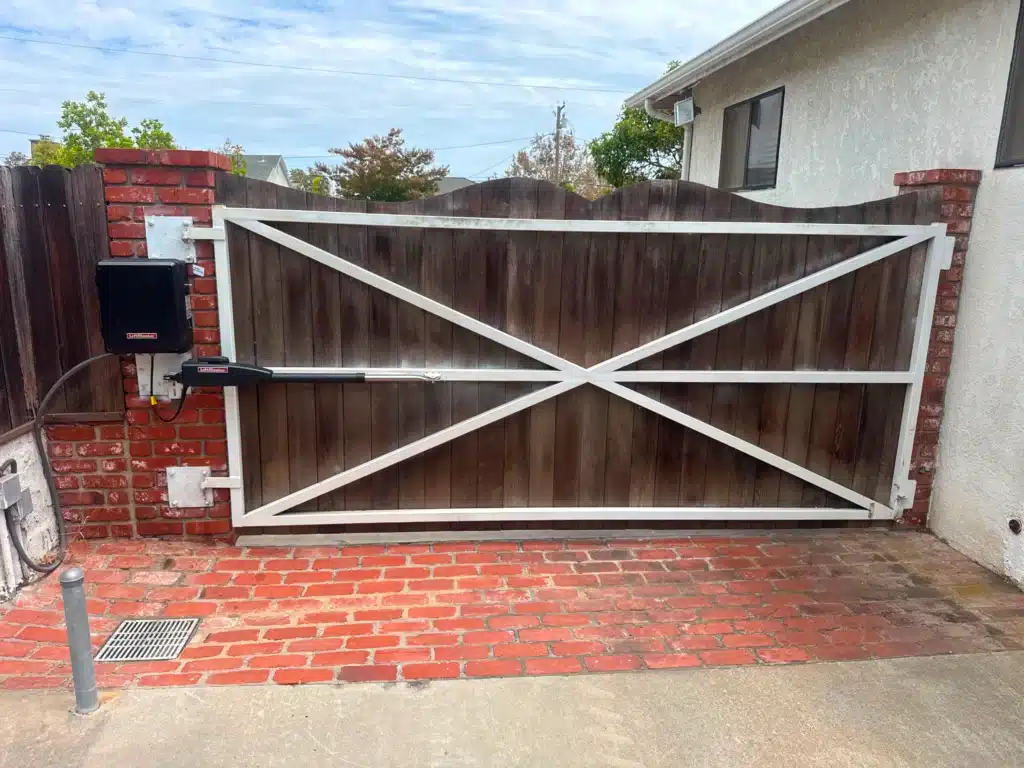
Solid infill, wood cladding and privacy panels create sail area. Wind can impose large dynamic loads that are not reflected in static gate weight.
Duty and Peak Cycles
A residential entrance and a busy HOA may use similar gate dimensions but require different operator duty. Count the busiest hour, not only daily average.
Mechanical Efficiency
Operator sizing assumes a properly built, aligned gate. Dragging wheels, sagging hinges or poor track alignment should be corrected rather than included as "extra load" the motor must overcome.
Power and Backup
AC, DC, solar and battery-backed designs have different energy and charging constraints. Confirm the site can support the proposed operator and traffic.
Safety and Access Features
The operator must support the required monitored protection, locks, controls and access interfaces. A motor with enough force is not automatically the right listed system.
Create an Application Sheet Before Shopping
A useful operator specification lists gate type, clear opening, leaf length, measured/estimated weight, infill percentage, wind exposure, cycles in the busiest hour, desired speed, power source, backup requirement, access inputs and safety devices.
With that sheet, different manufacturers can be compared on the same basis.
Common Mistake: Using the Gate’s Weight as the Only Number
A long solid swing gate can impose large wind torque even if its static weight is moderate. A high-cycle slide gate may need commercial duty despite modest weight. Geometry and use are just as important as mass.
Example: Two Gates at the Same Weight
Gate A is a 12-foot open-picket residential swing gate used six times a day. Gate B is a 20-foot solid-panel gate at a windy HOA entrance used 250 times a day. If both weigh the same, they still do not belong in the same operator-selection bucket.
Application data, not one weight number, makes the distinction.
Weight Is Only One Part of Operator Sizing
Gate length changes leverage on swing operators. Solid infill changes wind loading. Track condition affects sliding resistance. Daily cycles affect thermal and duty requirements. Grade, wheel design and gate geometry can all change the load the operator experiences.
That is why a simple "X-pound motor for an X-pound gate" rule is incomplete.
Start with the exact gate type and dimensions, then use the current manufacturer application chart for the operator under consideration.
Size for the Property’s Worst Realistic Operating Condition
A gate that works on a calm day with no traffic may struggle during wind, repeated rush-hour cycles or when battery voltage is low. The sizing decision should consider those real conditions without exceeding the manufacturer’s application limits.
For a swing gate, pay close attention to leaf length, hinge geometry and wind exposure. For a slide gate, examine rolling resistance, track condition and gate mass.
Oversizing does not excuse poor gate mechanics, and undersizing should not be hidden by raising force settings. A correct operator is matched to a correctly built gate.
Existing Gates Need a Condition Audit Before Operator Sizing
When automating an older manual gate, nominal dimensions are not enough. Hinges, wheels, track and frame condition determine how much real resistance the new operator must overcome.
Repair the gate first, then size automation for the corrected system.
An operator should not be selected with extra capacity simply to compensate for known mechanical defects.
Future Gate Changes Should Be Considered at Sizing Time
If the owner plans to add solid privacy panels, decorative cladding or heavier access hardware, include that future load before selecting the operator.
A system sized only for today’s open-frame gate may lose margin after the planned modification.
Sizing is more durable when it reflects the finished project, not an intermediate stage.
Manufacturer Limits Are Maximums, Not Design Targets
Operating close to a published limit can leave little margin for wind, wear or future gate changes. Where practical, choose an application with reasonable operating margin rather than treating the maximum rating as the ideal design point.
Bottom Line
Size a gate operator from the whole application: gate type, geometry, weight, wind, duty, mechanics, power and safety. Manufacturer application data and the actual site should control the selection, not a generic horsepower or weight shortcut.